
“I want to live where there are other expats, at least at first,” many people say. This can be both a good and a bad idea.
I’ve lived in places where the social life for English speakers was varied and healthy. People from many countries and perspectives met to support each other.
I also lived for several years in a place that had a more homogeneous expat group that was less healthy. They formed what I call an expat blob. It’s a pool of people from the same culture who:
- Confirm convenient biases for each other, such as, “The locals are happy to be poor”
- Fail to learn enough of the language to see the complexity of the local culture
- Congratulate each other for being adventurous despite not engaging with anyone except people in service roles
- Agree that they know best how things should work and pat themselves on the back for being patient with the backward locals
- “Help” the locals in paternalistic ways, often focusing on projects like dog rescue that avoid in-depth interaction with people
- Hire each other and favor expat-owned businesses while saying that they support the local economy
- Continue the social rankings and divisions from home, despite them being irrelevant here
Example of a blob
I experienced the blob in Mérida, Mexico, more than 12 years ago. Mérida was just beginning to be an expat hotspot then. Maybe the current expats are more diverse.
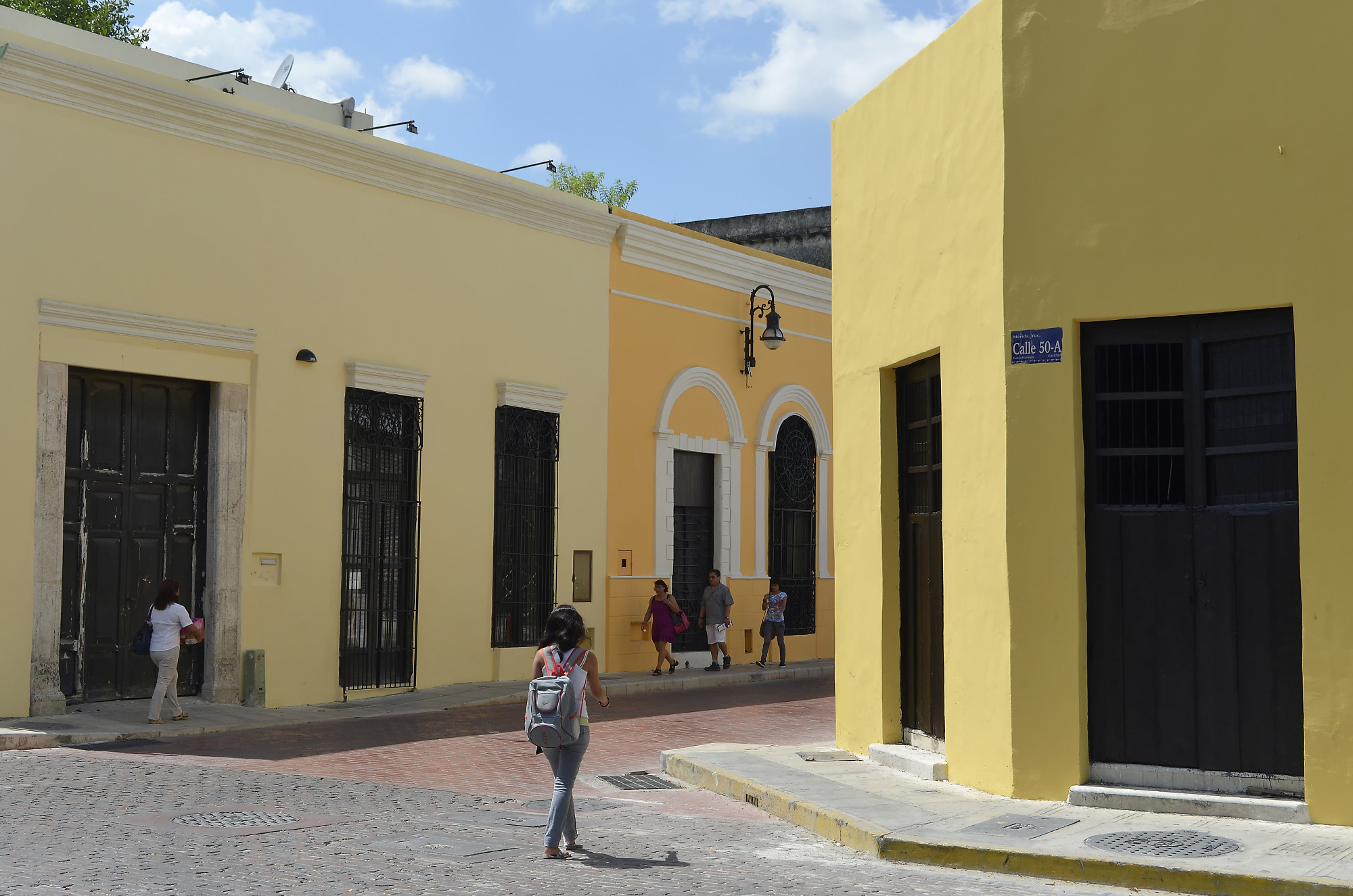
They transplanted their home culture
When I lived there, most expats were from the US and Canada. They continued the same tribal behavior that had driven me out of the US, even though their social rules were now irrelevant.
For example, one expat warned me against socializing with another because the other watched Fox News. Meanwhile, my Mexican friends didn’t care what channels people watched.
They seemed blind to their effect
Expats could create a self-congratulatory bubble that left them vulnerable to suggestions of hypocrisy.
The ones I met claimed to be inclusive, compassionate people, but their actions didn’t always support that. Three examples:
- I helped a Mexican woman use a computer for administrative work in a supposedly inclusive expat organization. We spoke Spanish with each other. This kind, elderly woman told me that the Anglo women in the organization would snark in English about her and other Mexicans in her presence. Describing it brought her to tears. We could discuss this while the women were in the same room, because none of them spoke Spanish despite living in Mexico for years.
- Some expats who were proud of their egalitarian politics hosted a big party. I brought a Mexican friend. He was the only Mexican present, except for the catering staff.
- An expat bar that was proudly diverse sometimes showed American films. I couldn’t bring local friends because the bar didn’t download the Spanish subtitles.
American and political? Consider a blob.
If you’re American, like to discuss US politics, and want to surround yourself with your tribe, then a blob is actually the place for you. Big US expat groups tend to divide into blobs based on political tribe. If you move into one of those tribal groups, you’ll have a ready-made social circle to plug into.
If instead you move to a place with few Americans and a more international group of English speakers, you’ll have to change how you think and socialize, possibly a lot. For an example of the changes, see Should an American progressive move to Bulgaria?
Want diverse views? Even a big blob limits you.
The idea of a big expat community can be appealing. So many potential friends! But if they’re a self-congratulatory blob, you might have a more limited social life than in a location with a smaller, more varied community.
A blob gives you only two options for an English-language social life:
1. Merge into the blob, but try to avoid its biases and myopia. Become an expert at nodding politely and changing the subject. Stick it out long enough, and you might find others who are reluctantly in the blob but not of it, and then you might have some friends.
2. Dodge the blob entirely and look for outsiders who speak English. They can be hard to find – often they live beyond the expat zone and avoid expat hangouts. Members of the blob might consider them snobby or ostentatiously “local.” The outsiders don’t think about the blob at all.
In Mérida, I ended up abandoning most contact with other Anglos, because they recreated the tribalism that I wanted to escape. Most of my social life was in Spanish and my friends were Mexicans and Venezuelans, plus a few expat outsiders.
I had better experiences with more international expat communities in other countries.
How to avoid the blob
Don’t move to a place where most expats are from the same country. Avoid it even if their home country isn’t yours.
Instead, look for places that attract people from a variety of cultures and perspectives. These tend to be big cities or the less trendy countries.
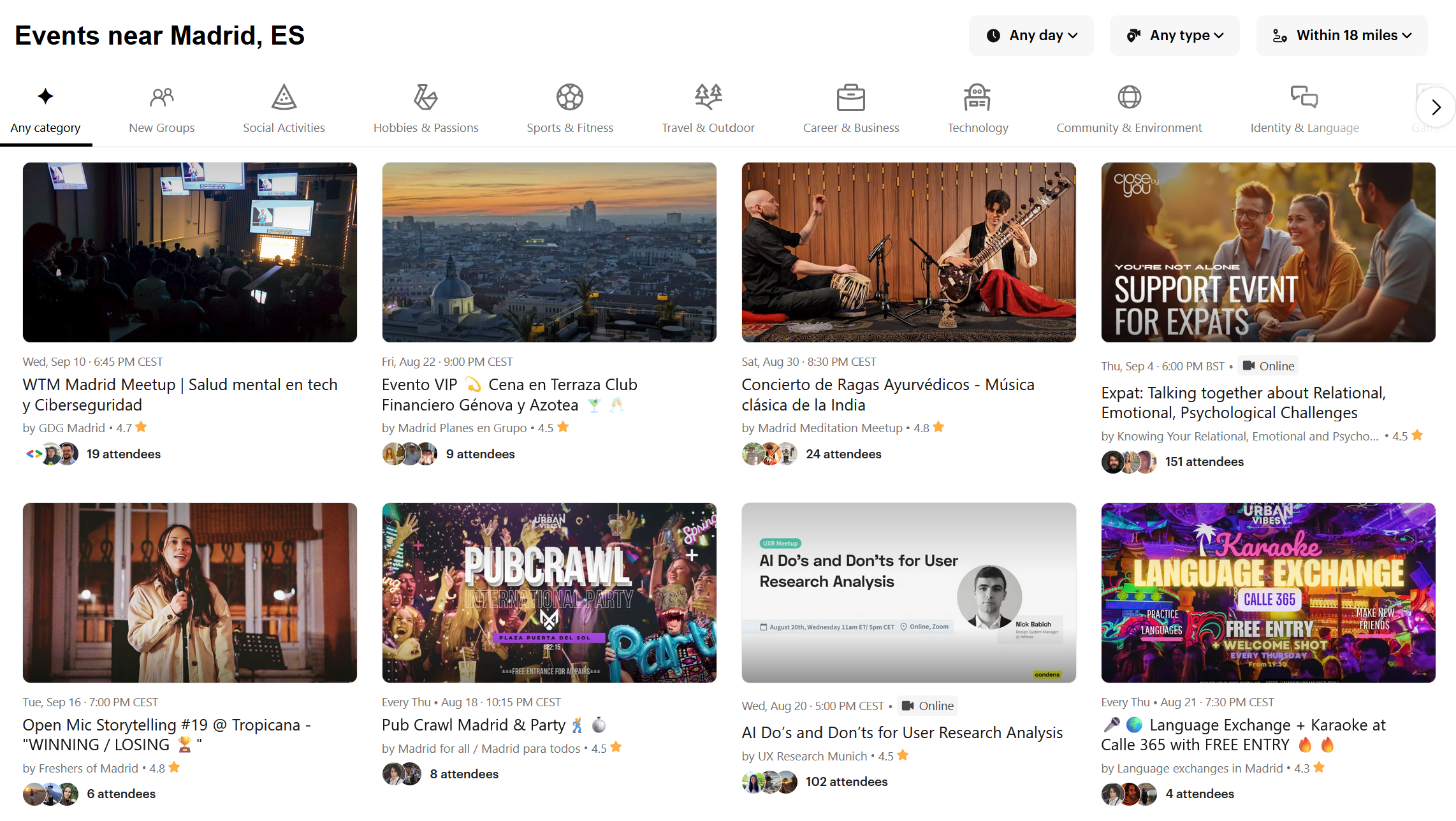
Big-city example: Madrid. I lived for several years in Madrid, which had a thriving and diverse English-speaking scene. People came from many countries, and most events also attracted locals, which is one of the signs of a healthy expat life.
I regularly met with people from Germany, Ireland, Romania, France, China, the Netherlands, Moldova, Italy, Ecuador, and other countries. Meetup.com was thriving and still seems to have a lot of events.
I’ve heard reports of diverse expat scenes in Bucharest and Brasov, Romania, as well as Poland, Montenegro, Paraguay, and other non-trendy places.
Photo at top: Near Sibiu, Romania