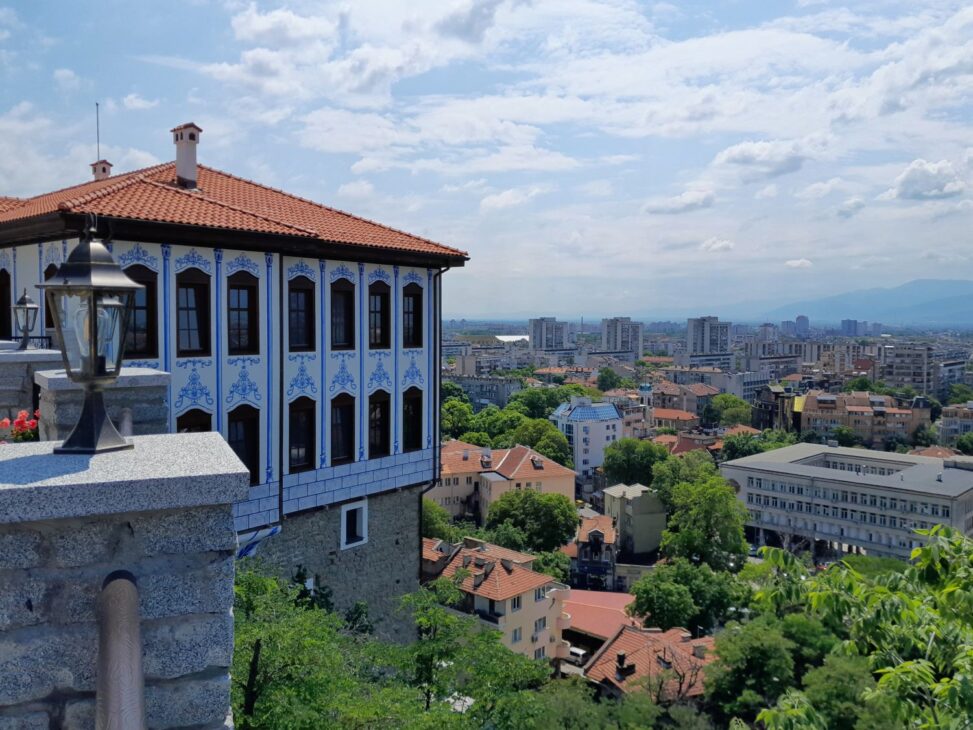
I moved to Bulgaria after living in Spain. Here’s why I like Bulgaria and you might not.
This is based on three years of experience and refers to small and mid-sized Bulgarian cities. It might not apply to Sofia or to life in the countryside.
In a nutshell
I chose Bulgaria due to its:
- Mellower people: I rarely hear yelling, and no one glares at me. This was a huge improvement over Spain.
- Easier daily life: Shops and banks are open at useful times and online orders usually arrive as promised.
- Freedom: The government is small and doesn’t interfere in personal choices, and everyday life is free of moralizing messages. The personal isn’t political; it’s personal.
- City trees: You can feel like you’re walking in the woods when you’re in the city.
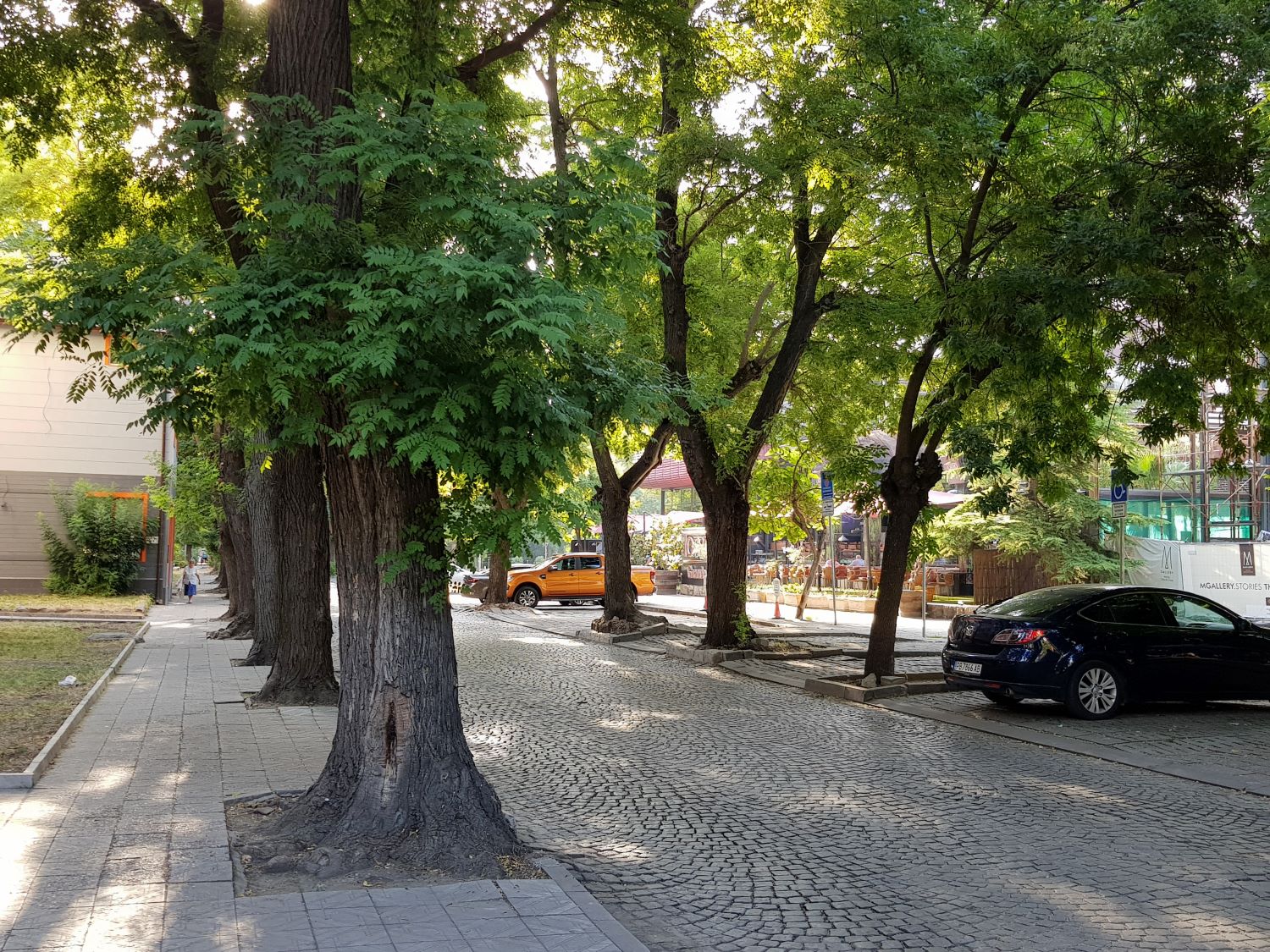
A street in Plovdiv - Low tax: I was able to retire three years earlier than if I had stayed in Spain.
- Traditional culture: I’ve had strong ties to Bulgarian music and dance for decades, and the culture is still alive and well.
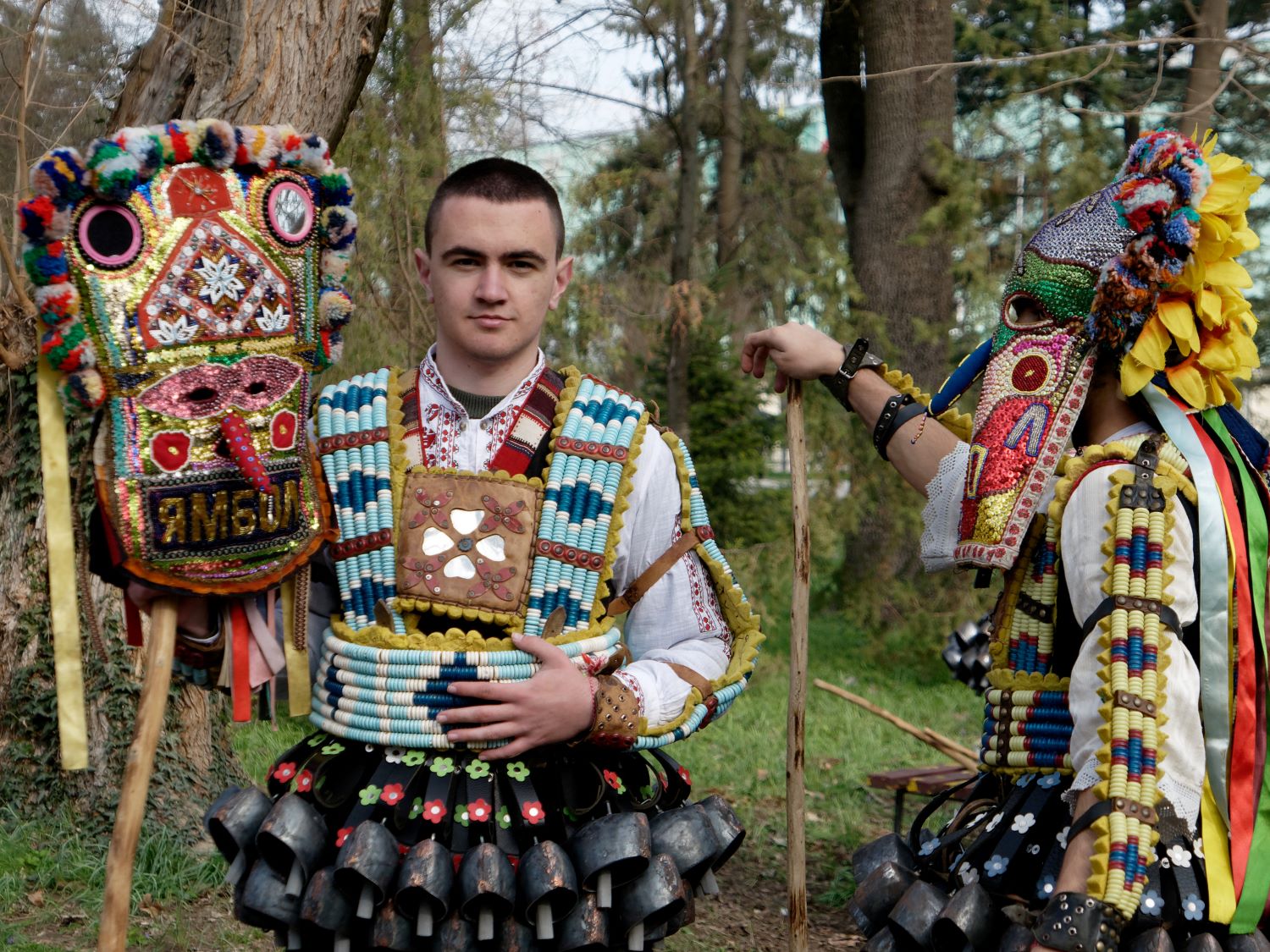
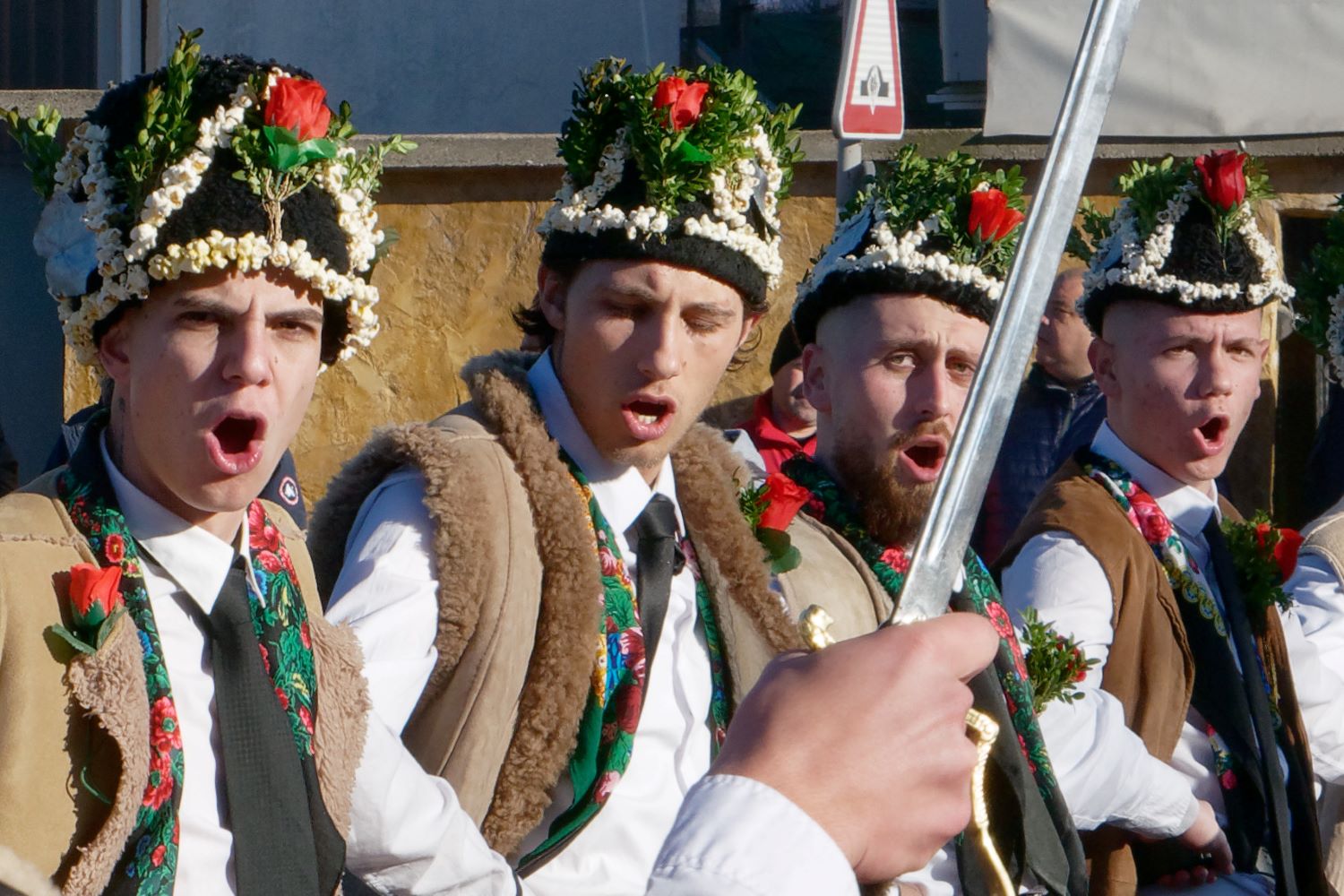
Kukeri in Yambol - Geography: You get four seasons as well as mountains, forests, farmland, beaches, and quick access to other interesting countries. Summers can be hot at lower elevations.
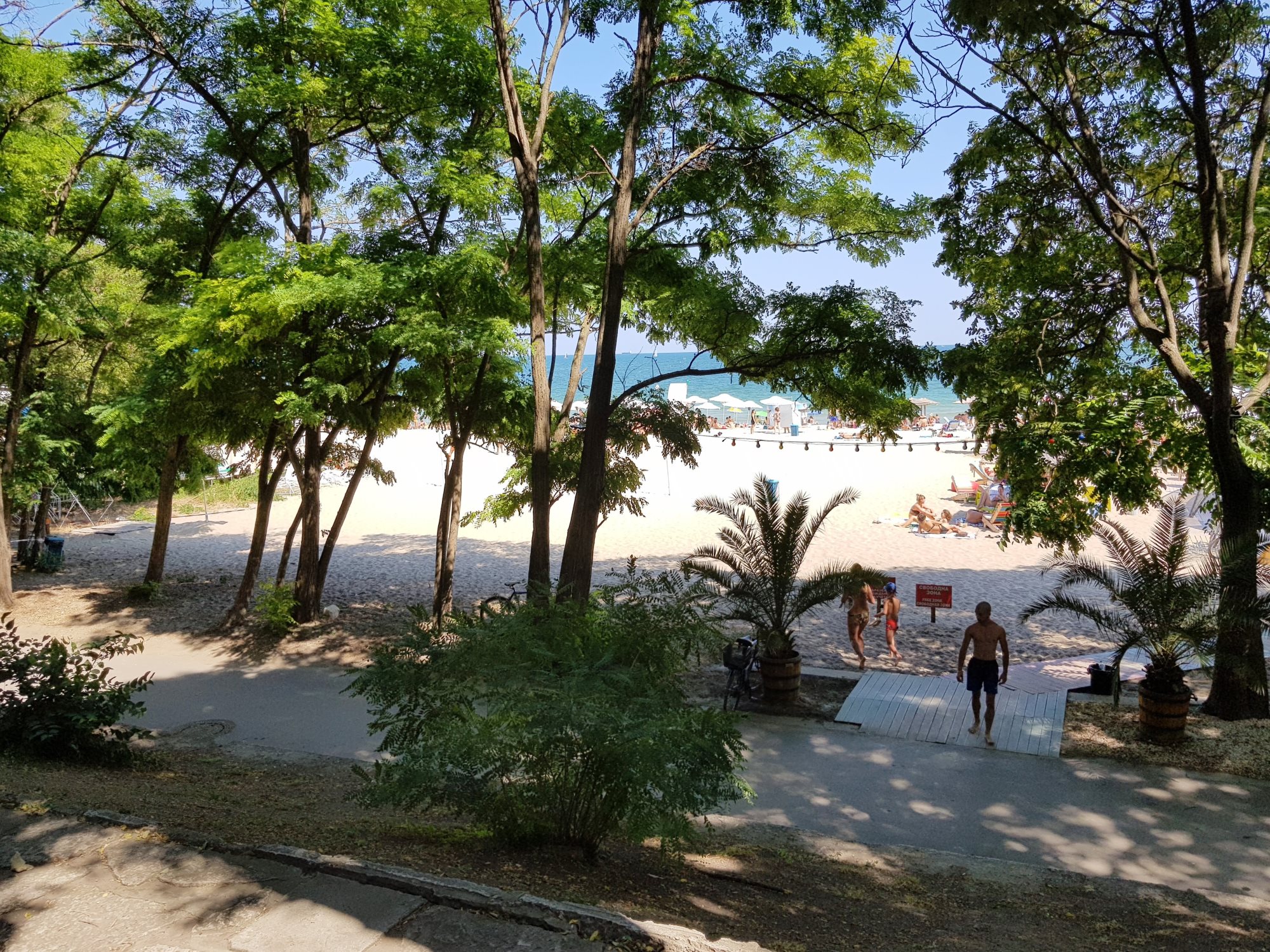
A beach in Varna - Faster bureaucracy: For example, a visa renewal takes three weeks, not the five months it took in Spain.
Who might be happy in Bulgaria? People who…
- Have a pension or online income and don’t need to work locally
- Are tired of righteousness or hostility in their current country
- Like having fewer rules and are willing to give their neighbors some slack
- Are happy in casual taverns as well as upscale restaurants
- Like the challenge of learning a Slavic language
- Admire the history and culture of Bulgaria
- Like to keep their personal life personal
Who shouldn’t come to Bulgaria? People who…
- Are interested just because it’s “affordable”
- Haven’t traveled outside the wealthiest countries
- Need to see lots of smiles from customer service workers
- Are upset by the sight of a homeless dog
- Believe that new social rules from the English-speaking countries should be applied everywhere
- Think that cigarette smokers are bad people – many Bulgarians smoke
The details
I’m not normal
I’ve had a strong connection to Bulgarian music and dance since my teens. One reason I chose Bulgaria is because those traditions are thriving. I could move to any Bulgarian city and join a dance club for an instant social scene, and I love going to traditional festivals. This connection means that I’m less bothered by things that might bother immigrants who don’t have such a connection.
Don’t expect Switzerland
Bulgaria isn’t for everyone.
Some westerners come only because Bulgaria has lower housing costs and won’t tax them as much as the west. They leave for what I consider to be the same reasons.
A government that doesn’t have a lot of money can’t afford to enforce a lot of laws about trash, noise, parking, recycling, zoning, dogs, or speech. As a result, life in a Bulgarian city can mean:
- Creative approaches to parking
- Broken pavements in streets and sidewalks
- Stray dogs and cats that are fed and cared for by the community
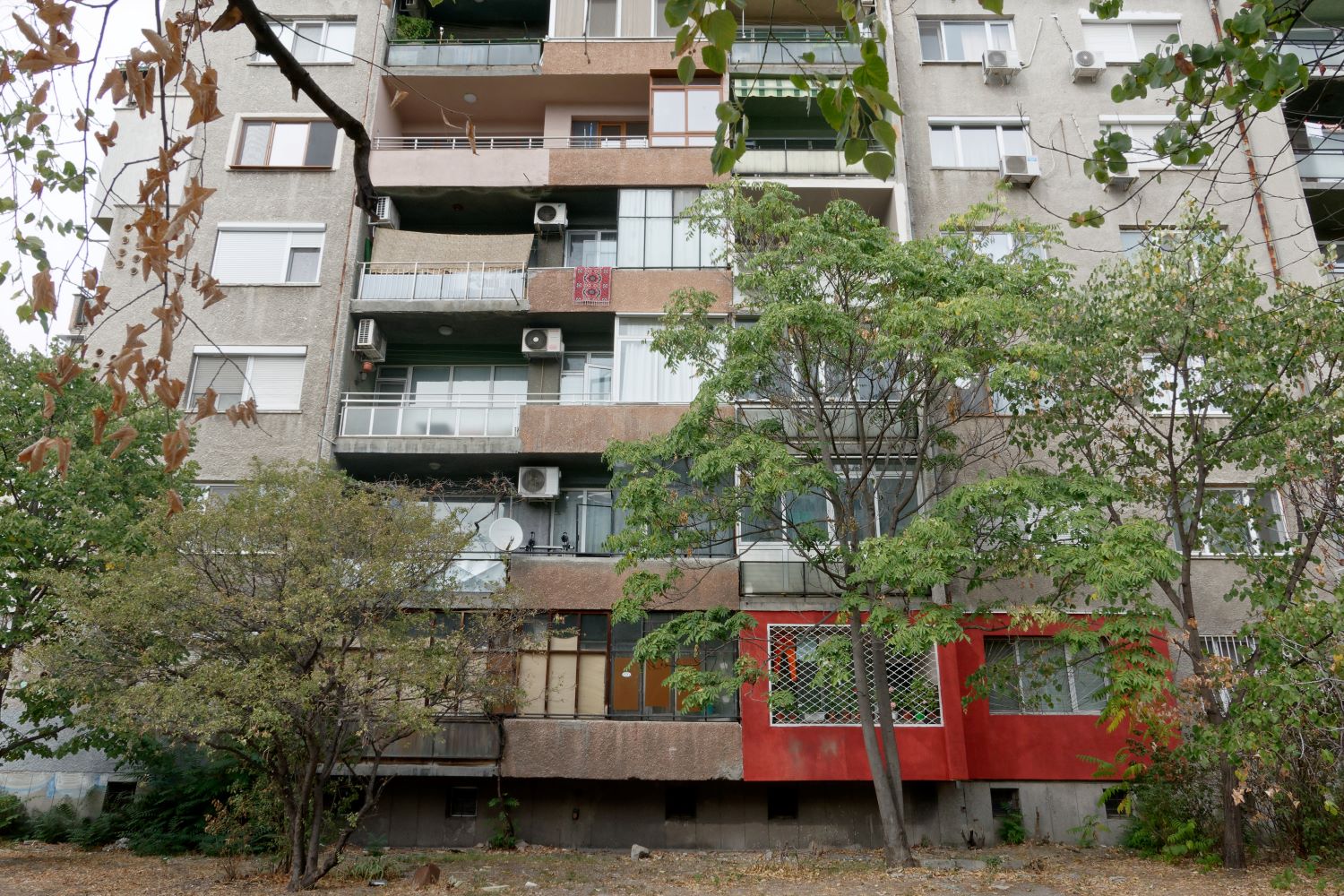
- Buildings with worn-out facades and graffiti
- Occasional interruptions in water or electricity
- Air pollution, especially in winter
- Seemingly endless construction as infrastructure is upgraded
- Old hospitals – it might be best to use the private system
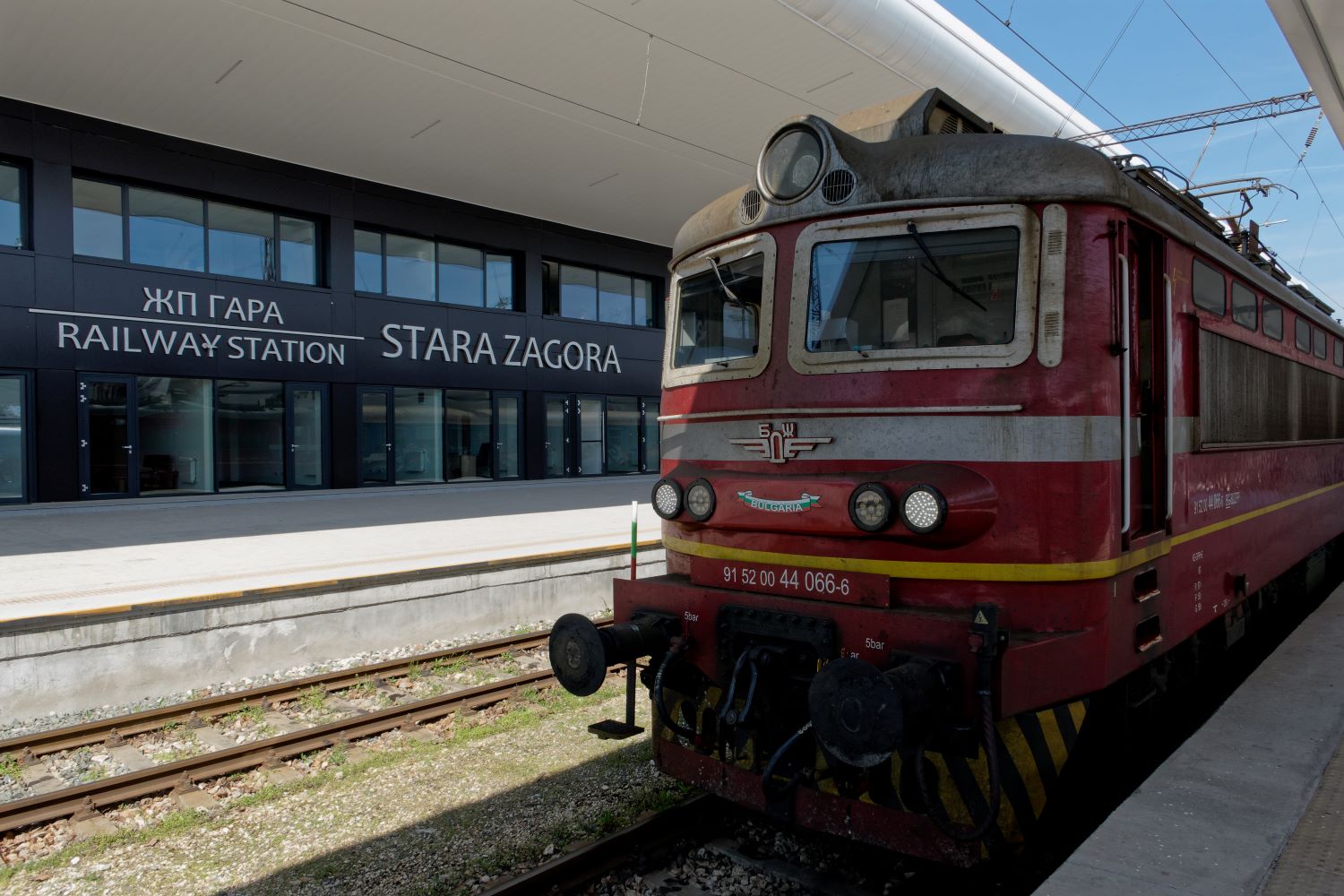
- Old trains, and yet more construction as the rails and stations are upgraded
At the same time, Bulgaria is on the way up, along with eastern Europe in general. In the cities I’m familiar with, you’ll find:
- Fast internet
- Pleasant pedestrianized streets
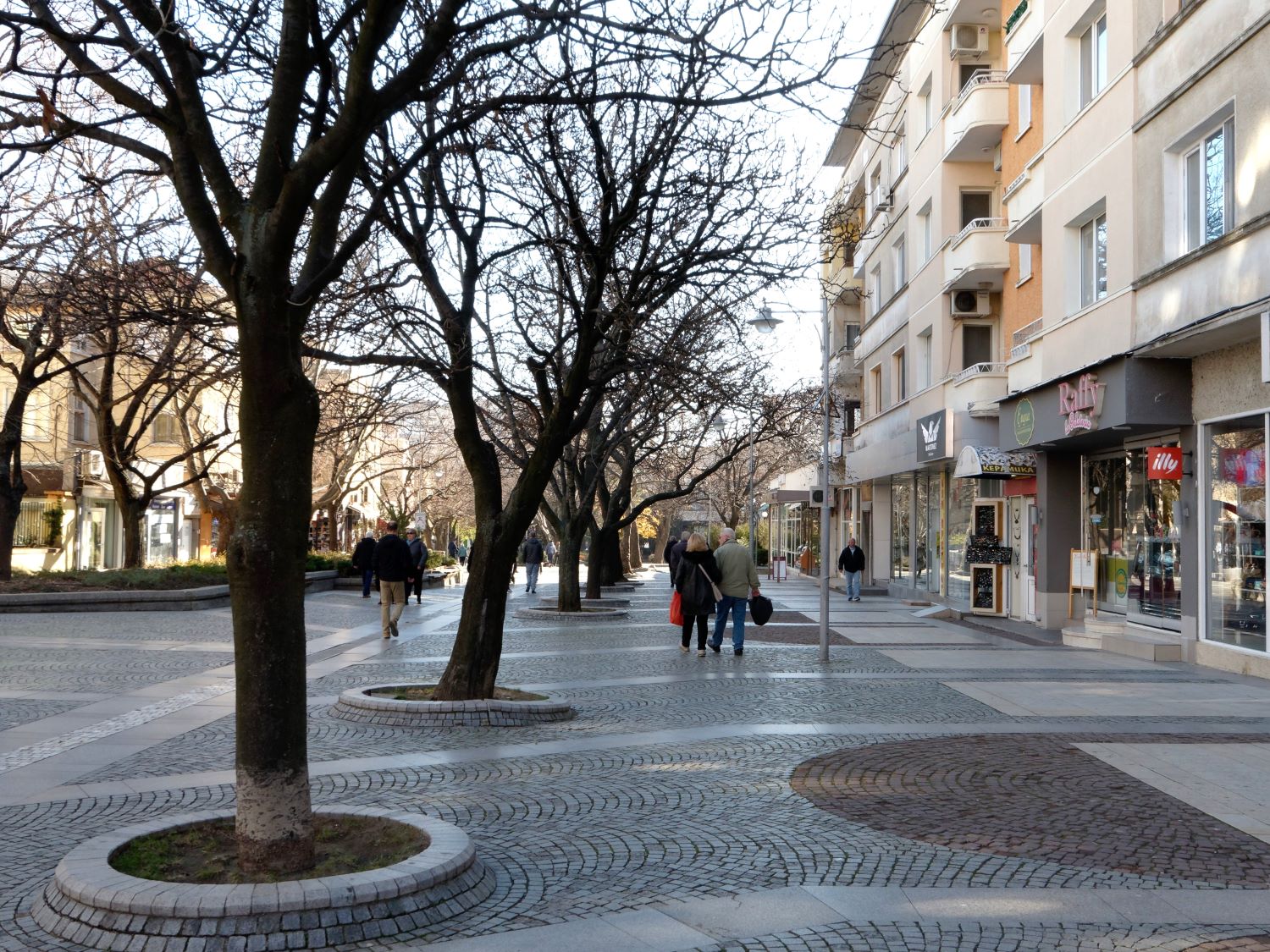
Sliven - Good or at least usable public transport
- Many street trees and usually lots of parks
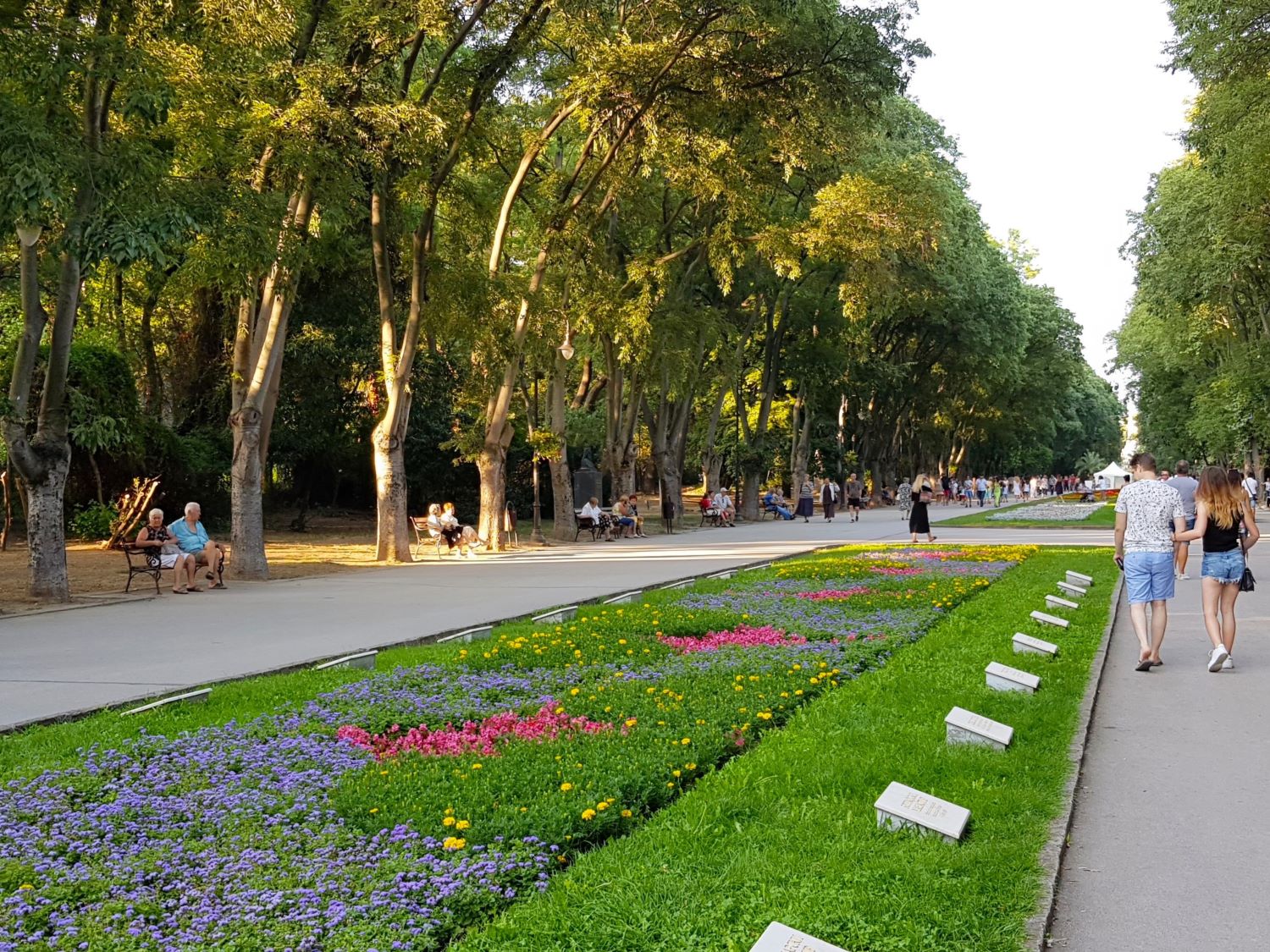
Sea Garden, Varna - A rich selection of local producers of food such as grass-fed beef, pastured chicken, organic produce, and mountain herbs, often with delivery
- New private clinics where I’ve received good care in English with little or no waiting
- Safe cities, even at night
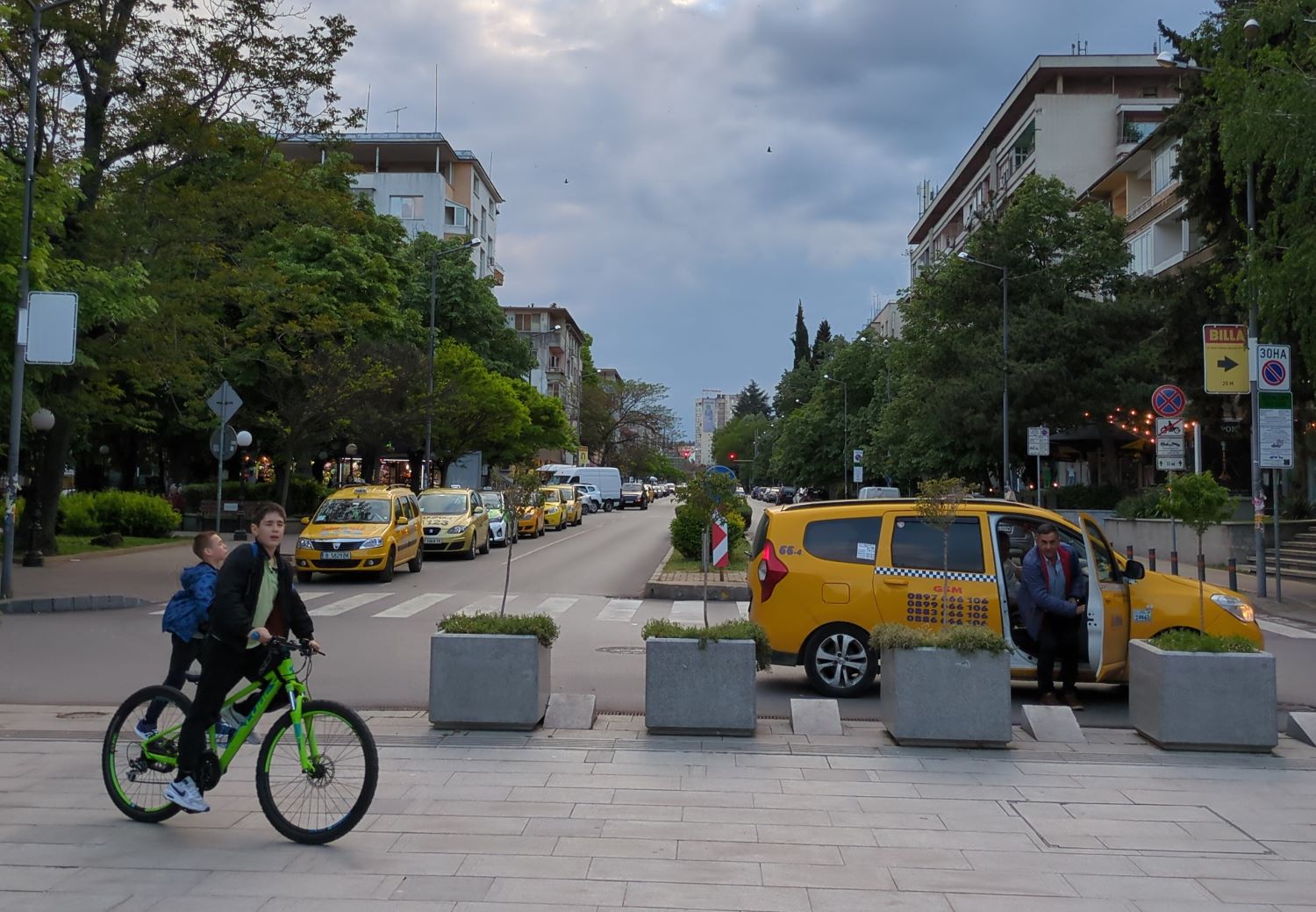
Kids play in downtown Stara Zagora at dusk - Good wine and spas, or so I’m told (I’m not a drinker or soaker)
- A thriving folklore scene with many folk dance classes and festivals, and foreigners are welcome to join
- Public art that celebrates Bulgarian history and traditions
More efficient and reliable
In my experience, Bulgarians have been more reliable than Spaniards. Shops are open all day, most contractors come when they say they will, deliveries usually arrive on the day they’re scheduled, the friend who says they’ll pick you up at 7 is there at 7, and events usually start on time.
However, some Bulgarians complain that their compatriots don’t try hard enough to improve their lives or their country, and some foreigners complain about work being done to low standards. Many Bulgarians own their homes outright, which makes it easier to coast.
Historically, Bulgarians have left for higher-paying jobs abroad. There are still more people leaving than coming, but some people who left are returning. Some young returnees are trying to revive village life; older ones are retiring here.
A solid economy
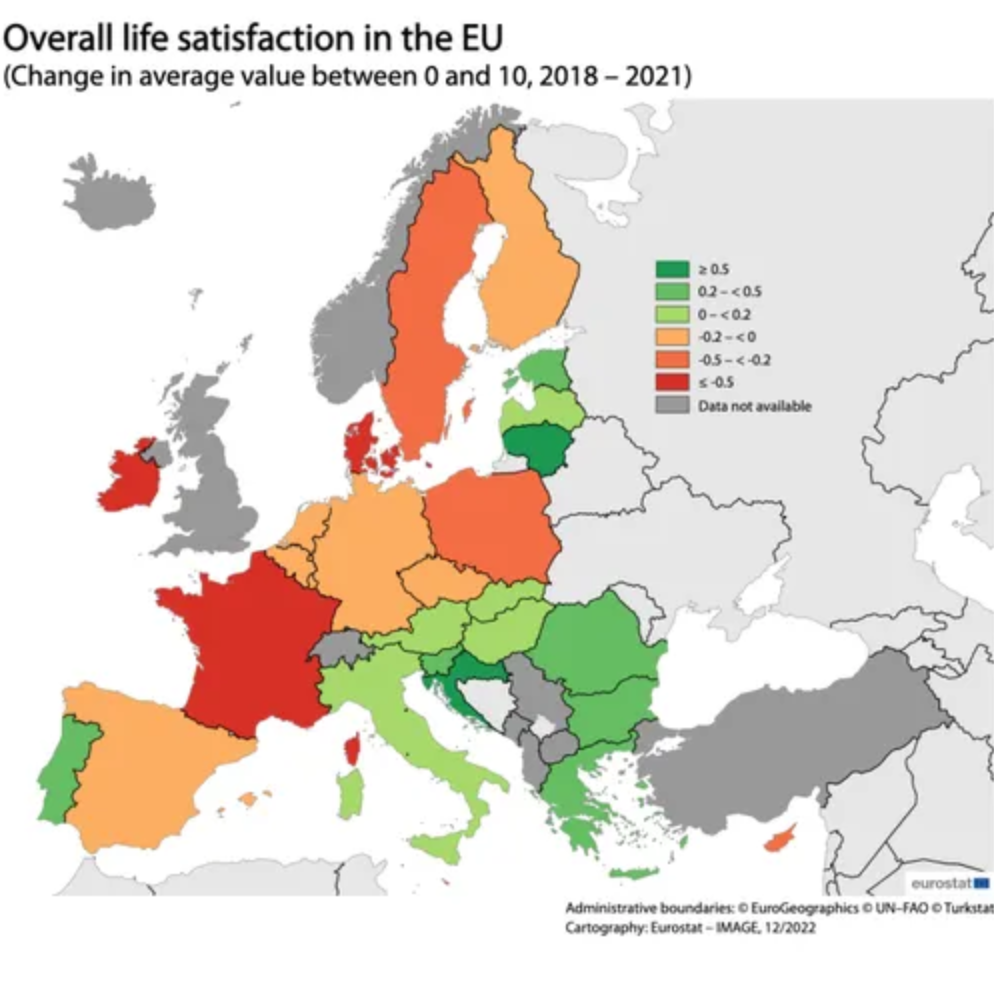
The Bulgarian economy grew more than 500% between 2000 and 2020. Current growth is about 3.2% per year. Some cities have recently gotten big updates to their train stations, downtowns, and parks, which adds energy and optimism.
The national government has a low debt-to-GDP ratio of 22% (the US is about 134% and Spain about 110%). The Heritage Foundation gives Bulgaria a high score of 91.4 for fiscal health, compared to Spain’s score of 0. The currency, the lev, has been tied to the euro for many years, so when the country formally adopts the euro, there shouldn’t be a major shock.
Corruption
Some locals and foreigners who own businesses have complained about corruption interfering with their business. One entrepreneur said the corruption was actually a plus, because government officials are “too busy lining their pockets to care what the little guy does.” However, another said he had to give up on his business.
In my everyday life, I don’t directly see corruption, but I see its effects. For example, the bus system in Plovdiv is only slightly better than the buses I rode in developing countries. Much money has been spent on improvements, but few improvements have appeared.
Social issues
Women
A high percentage of workers in STEM fields are women. The gender pay gap in Bulgaria is 13%, about average for Europe. Bulgaria offers two years of paid maternity leave. Early-term abortion is legal and isn’t a big election issue.
From what I’ve seen and from what Bulgarian women tell me, gender roles are still alive in the family. But the “always be sweet and never have an opinion” programming that western women might receive isn’t the Bulgarian way.
Men
I’ve had no harrassment from Bulgarian men. I walk through the city at night without a second thought.
Young Bulgarian men can be rambunctious and fond of loud motorbikes, but I prefer that over the confused, depressed youths I’ve seen elsewhere.
A few young men want to look super tough. They might explode in anger with little provocation, and they’re often football hooligans. These are the only people who have given me trouble. Over three years, one yelled aggressively at me when I mildly protested about how he treated his dog, and another threatened contractors working on my apartment but never returned to act on his threat.
Reactions to foreigners
Most Bulgarians can tell that I’m a foreigner, but I haven’t received the hostility that I got in Spain. However, darker-skinned people might have a different experience, especially if they could be mistaken for migrants who have illegally entered from Turkey.
For example, some Pakistani students from a medical school were subject to a “citizens’ arrest” when they went on a hike in a village, because villagers thought they were migrants.
Gay rights
Most Bulgarians oppose gay marriage, and the government doesn’t recognize same-sex unions. At the same time, it’s illegal to discriminate against people due to their sexual orientation or gender identity, and there are openly gay people, including celebrities, especially in Sofia.
Gay people aren’t exploited for political or social points. For example, there aren’t rainbow flags on government buildings or businesses.
Gender changes
The Bulgarian supreme court recently ruled that you can’t change your gender, and most people don’t want children to be taught that gender is fluid. If a man went into a woman’s locker room, he would be promptly ejected.
Visas
The easiest way for a non-EU citizen to move to Bulgaria is to have a passive income from a pension or similar instrument and get a retirement visa. Ideally, it should be a government pension, but I’ve heard of people using a private annuity that pays monthly. The financial requirements are modest.
You also need to provide the usual criminal records check, have a place to live, have a Bulgarian bank account (which is the most challenging aspect and in my experience not required by all immigration offices) and get private health insurance. Bulgarian insurance companies offer inexpensive plans that are designed to meet the visa requirements and seem easy to get. They might cover you only in Bulgaria and only for emergencies; many immigrants just pay the rest out of pocket because costs are low.
There are also visas for business owners, self-employed people, volunteers, and other categories.
Reminder: I’m not normal
I live in a mid-sized city and have Bulgarian hobbies. Most English-speaking foreigners seem to live in Sofia or at the other extreme, in a rural house, and don’t get so involved in traditional culture. Bulgaria is also popular with digital nomads, with Bansko being their main hub, though several go to Plovdiv and Sofia as well.
There’s a lot of information online from the people who have bought rural houses in Bulgaria. Their opinions about life in Bulgaria don’t always match mine, since their experiences are different. You can find them on YouTube and in Facebook groups like “Expats in Bulgaria” or “Moving to Bulgaria.”
Bulgaria is one of the countries on my big list of non-trendy countries that you might consider living in.
Photo at top: Plovdiv