
I left the US in 2010. Here’s what worked for me and what I wish I had done differently.
I grew up in an urban area and started working when I was 13. In my 40s, I decided to leave the US. Since then, I’ve lived in three countries, visited several others, and no longer have to work.
I combined the “pile of money” approach with “create an online income.”
Short version
Useful things I did:
- Lived frugally and saw it as an adventure
- Created an online business
- Learned Spanish before leaving
- Chose an easy place for my first move
- Traveled full time for a couple of years
- Chose another place because I loved the culture
- Visited most places for months before deciding
Things I regret:
- Waited until my 40s to get serious about financial independence
- Dawdled when fixing up real estate
- Chose a location just because I spoke the language, ignoring red flags
Long version
Here’s what I did and what I think about it now.
Worked as a contractor, not employee
I stopped working for a single employer when I was 23. Instead, I juggled contract jobs, most of them tech-related.
- Multiple contracts meant a safer income, because I didn’t depend on one employer.
- I made more per hour than in a standard job.
- I could try different contracts to find the work I liked.
- I often had no vacation or sick leave and was denied health insurance.
What I think now:
- The job-juggling taught me to adapt to new situations and accept risk.
- Since medical care was expensive, I learned to stay healthy and treat ailments myself.
- I had no health insurance for years because the Medical Information Bureau made an error in my record. I should have more assertively investigated why I kept being denied. An accident or illness could have left me bankrupt due to one person’s typo.
- I should also have been more assertive when negotiating pay. The book Overcoming Underearning eventually set me straight.

Avoided debt
- I worked while I went to college. The jobs gave me in-demand skills and helped save me from student debt.
- I quit university after a bachelor’s degree because my student job was already full time, and an advanced degree wouldn’t get me better jobs, just debt.
- I had a mortgage for awhile. But beyond that, if I didn’t have the cash for something, I didn’t buy it.
What I think now:
- Avoiding consumer debt was smart, but I had almost no credit history as a result. It would be hard to get an emergency loan.
- When I was living abroad, I had trouble proving my identity to US government sites because they expected me to have a credit history. Apparently, a real American uses debt.
- I should probably have used a credit card that I paid off each month.
Improved my Spanish
- I had studied Spanish in school and kept learning it as an adult. I used workbooks and flashcards, watched Spanish-language TV, and volunteered with Mexican immigrants.
- I spoke it at a B2 level when I moved to Mexico, and life there brought me to near fluency.
What I think now:
- Becoming bilingual in Spanish was one of the most useful things I’ve done.
- It made my first move abroad easier, helped me see from different perspectives, and meant that I could socialize with anyone, choose any doctor, go to any show…
- I avoided paying foreigner prices and didn’t have to hire translators or other help.
Had a hands-on frugal lifestyle
- In my late 20s, I bought a cheap fixer-upper that had two rental units. I lived in the small unit while renting out the big one. Rent for the big unit paid most of the mortgage.
- I did most of the renovation myself, usually enjoying it, and sold the house for a profit.
- With the house money, I moved to a cheaper area. I bought several acres of woods near a college town that had the kind of contract jobs that I usually did.
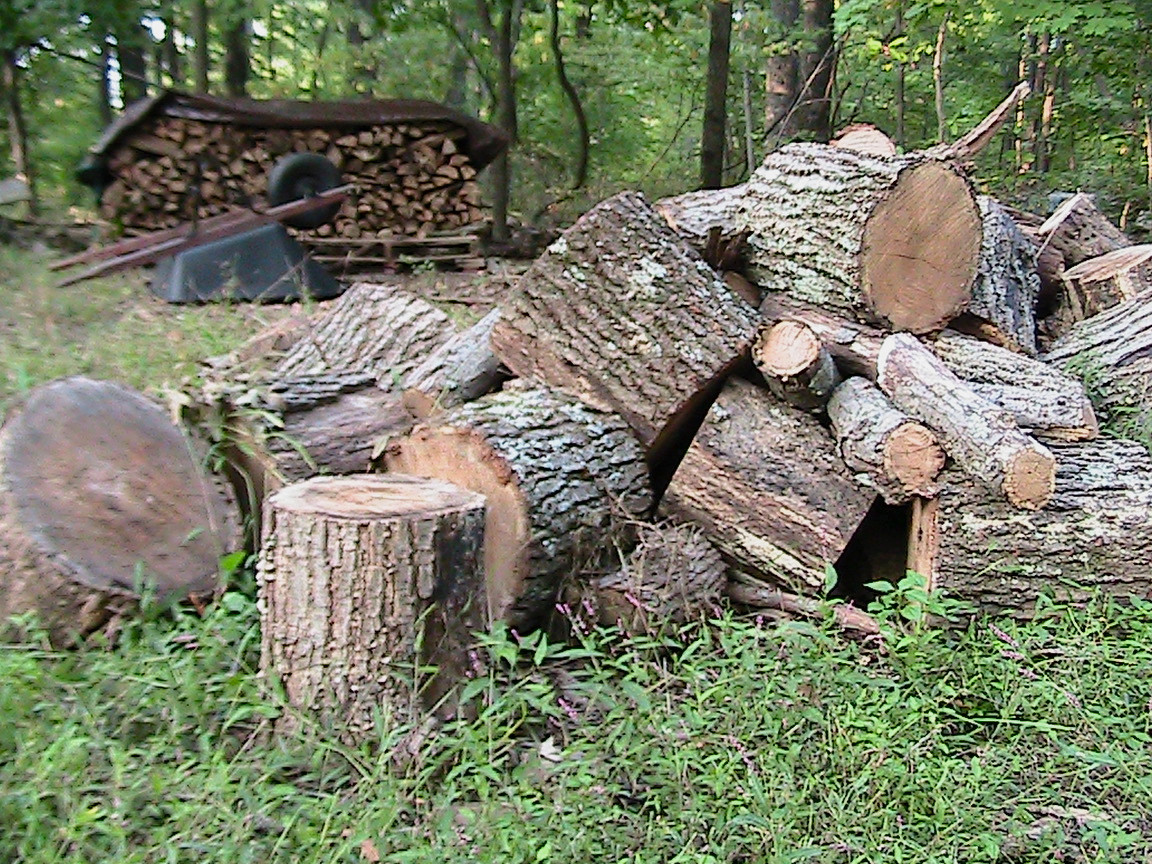
- I parked a $3000 trailer in the woods and lived for almost free, heating with wood from my land. This helped me build a modest pile of money and take risks with my business.
- Later, I had contractors build the shell of a small passive-solar house, and I started completing it.
- I usually bought clothing from secondhand shops, had boring used cars, rode a bike… My main splurges were tools and food.
What I think now:
- I should have been more focused on profit and speed when fixing up the rental house. However, I wasn’t sure at first if I wanted to live in it or sell it.
- The same goes for the house in the woods: I should have finished it more quickly, especially once I realized I wanted to leave the US but the house still wasn’t done.
- In both cases, living cheaply meant that I didn’t have to accept every job or client – I could choose the ones that were best for my future.
Created an online business
- From my contract jobs, I chose a niche I enjoyed that paid well and could be done online.
- I started a service business in that niche, getting most customers through a blog. That was in 2007, when blogs still got traffic.
- When I had enough customers, I quit my last contract job.
What I think now:
- Creating the business is the best thing I’ve done to improve my life.
- It let me choose interesting projects, do the work to my standards, get paid according to the value I delivered, explore cool ideas, and build something useful.
- It took off quickly. Three years after starting it, I was able to leave the US.
- Eventually, my business gave me the freedom to choose almost any country.
- The business was also social, which helped during the nomad years. I always had my colleagues, clients, and conferences.
Made exploratory trips
- While my business was young, I tried running it from western Europe during a long trip. It was 2009, and fast internet access was a challenge. I also didn’t like the many rules of the places I visited.
- Later that year, a conference brought me to Australia, which made it easy to visit Thailand, which convinced me I wanted a “developing” country, not western Europe.
Chose an easy first location
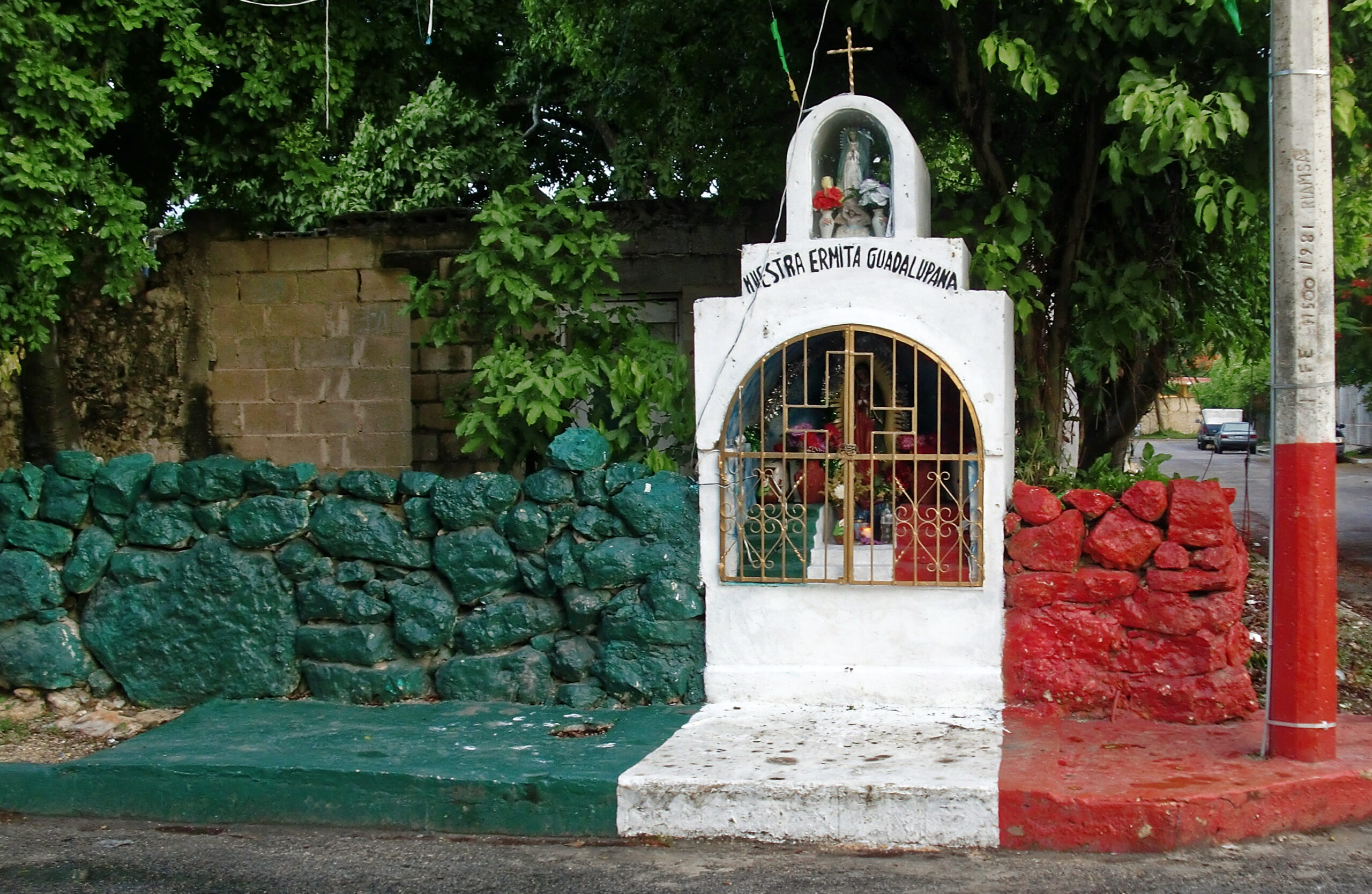
- I wanted a time zone compatible with US client calls. Research led me to Mérida, Mexico, and a five-month visit confirmed it. It would be easy because I spoke Spanish and the big expat community was helpful.
- I sold everything but my house and moved with a few suitcases.
- I met the visa requirements with my modest pile of money.
- I rented a house in a non-expat neighborhood at local prices.
- After about a year in Mérida, I sold my US house, doing it all remotely, and added to my pile of money.
- After a few more years, I was ready to go nomadic. I sold everything that didn’t fit in one bag and headed for Asia.
What I think now:
- Mérida was a helpful introduction to living abroad. I made good Mexican and Venezuelan friends and detoxed from the US. I also learned that a homogeneous expat community isn’t for me.
- I recommend the same type of easy first place for new expats, with the caveat to rent, not buy.
Sampled a lot of locations
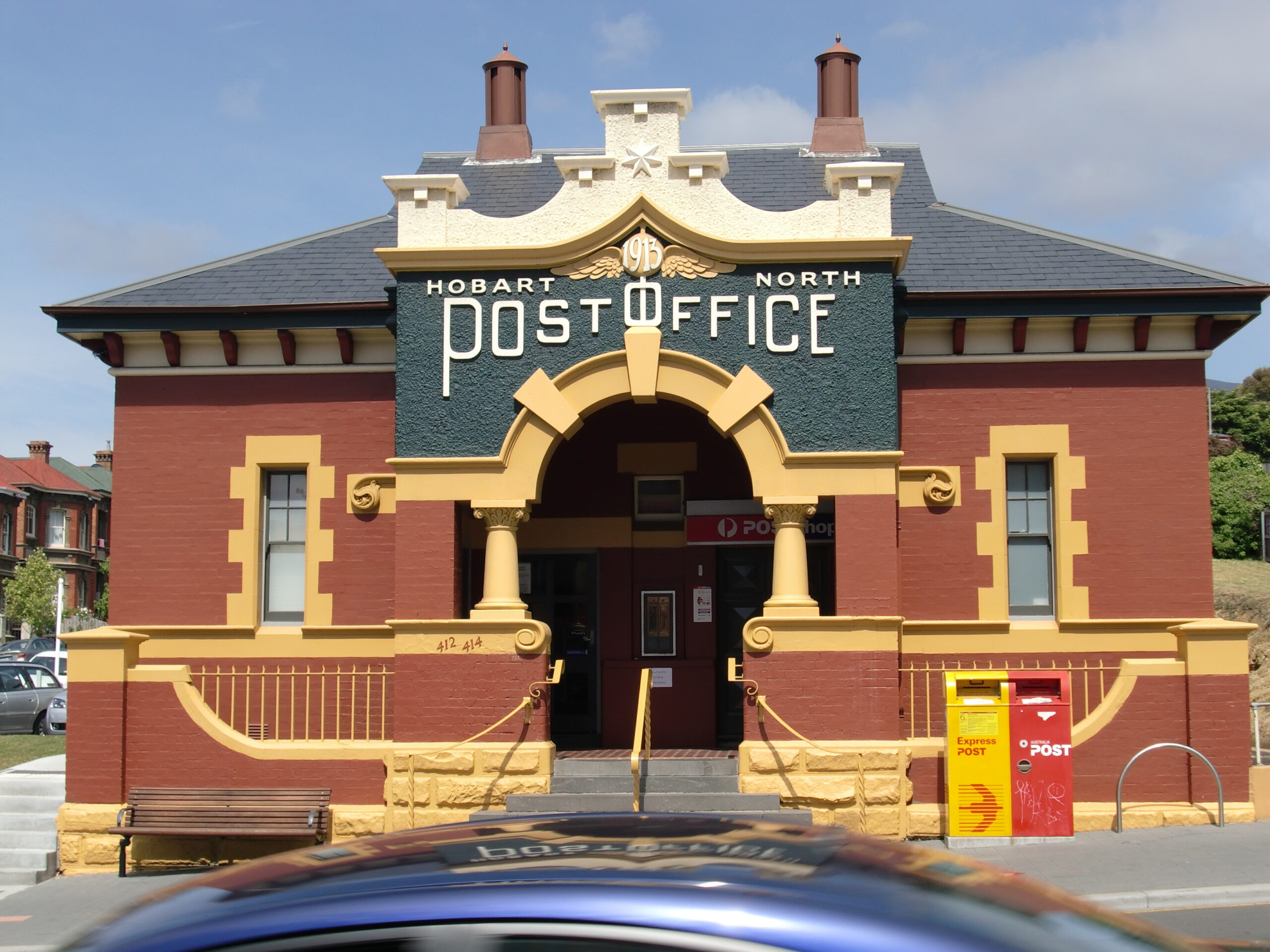
- For the next two years, I lived for 1-3 months each in several locations, starting in Asia and including Australia and the UK.
- I eventually got tired of the constant change and wanted a place of my own with a decent desk chair.
What I think now:
- I learned a ton and built useful skills by living in very different locations.
- The experience eliminated later “What if…” questions. For example, I don’t think, “Maybe I’d like Country X better than this place.” I’ve already been to X and know its drawbacks.
- I should have more aggressively invested my pile of money. Instead, I left most of it in an interest-bearing account because I felt safer having cash available, and visa authorities like liquid assets. I missed a lot of gains.
Chose a location based on its language
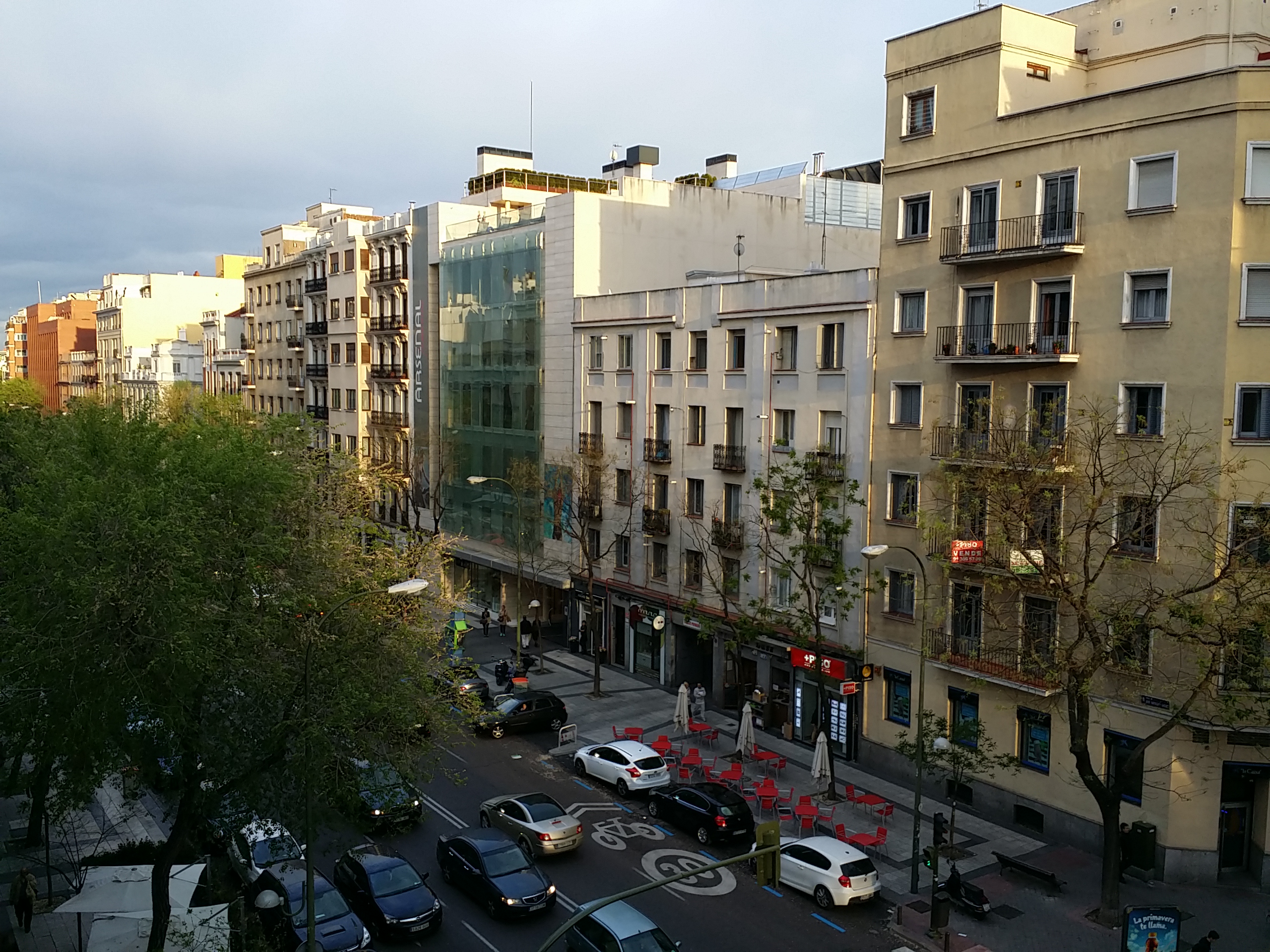
- When I got tired of nomad life, I decided Madrid would be a good place to settle because I already spoke the language and it was in Europe.
- I ignored my previous issues with western Europe and red flags in Spain. Instead, I went to a lot of trouble to rent an apartment, furnish it, and get a pile-of-cash visa (the old no-lucrativa visa).
- I lived in Madrid for several years, then tried a calmer place near Valencia, and then decided I had to give up on Spain.
- In the meantime, I had turned my service into online information that customers paid to access, making my business passive and therefore sellable.
What I think now:
- I should have respected the red flags and stayed nomadic awhile longer, just visiting Spain. I could have done the Schengen Shuffle.
- If I then decided to live there, I should have given myself a deadline: Happily embrace it within two years or leave.
- I did benefit from thought-provoking meetups and conferences in Madrid, and the lifestyle can be great.
Chose a location based on love for its culture
- When I decided to leave Spain, I focused on Romania and Bulgaria for their cultures. Romania was easier linguistically, but I was more drawn to Bulgaria because I’ve had a long-term emotional connection to it.
- I had already visited Romania, so I made a short visit to Varna and two multi-month trips to Plovdiv. Plovdiv won.
- After two lawyers assured me that I would get a business visa (TRO), I bought an apartment in Plovdiv. I was tired of landlords, and prices were low then (2021).
- The apartment was a fixer-upper. I didn’t want to put more money into Bulgaria until I was sure I wanted to stay.
- I moved my furniture from Spain, did cosmetic work on the apartment, and lived there for 3 years to make sure I liked it and Plovdiv. Then I hired a firm to renovate the apartment to a higher standard than I could have achieved.
- As soon as I qualified for Social Security, I sold my business and switched from the TRO to an easier pensioner’s visa.
- Five years after moving, I’m still here, with no plans to leave.
What I think now:
- I needed the emotional connection to the country. I had a difficult time in my second year because I focused on my frustration with the language, the TRO paperwork, the city streets being torn up in slow motion… I got through it because there are aspects of Bulgaria that I deeply and irrationally love.
- I saw several westerners leave. You need to love a country to get through the rough periods, not just see it as affordable or conveniently located.
- If I didn’t like Bulgaria or Romania, I could have gone almost anywhere after Spain, thanks to the pile of money and passive income. This freedom is priceless. It’s why I say that hopeful emigrants should build financial independence and not depend on an employer.
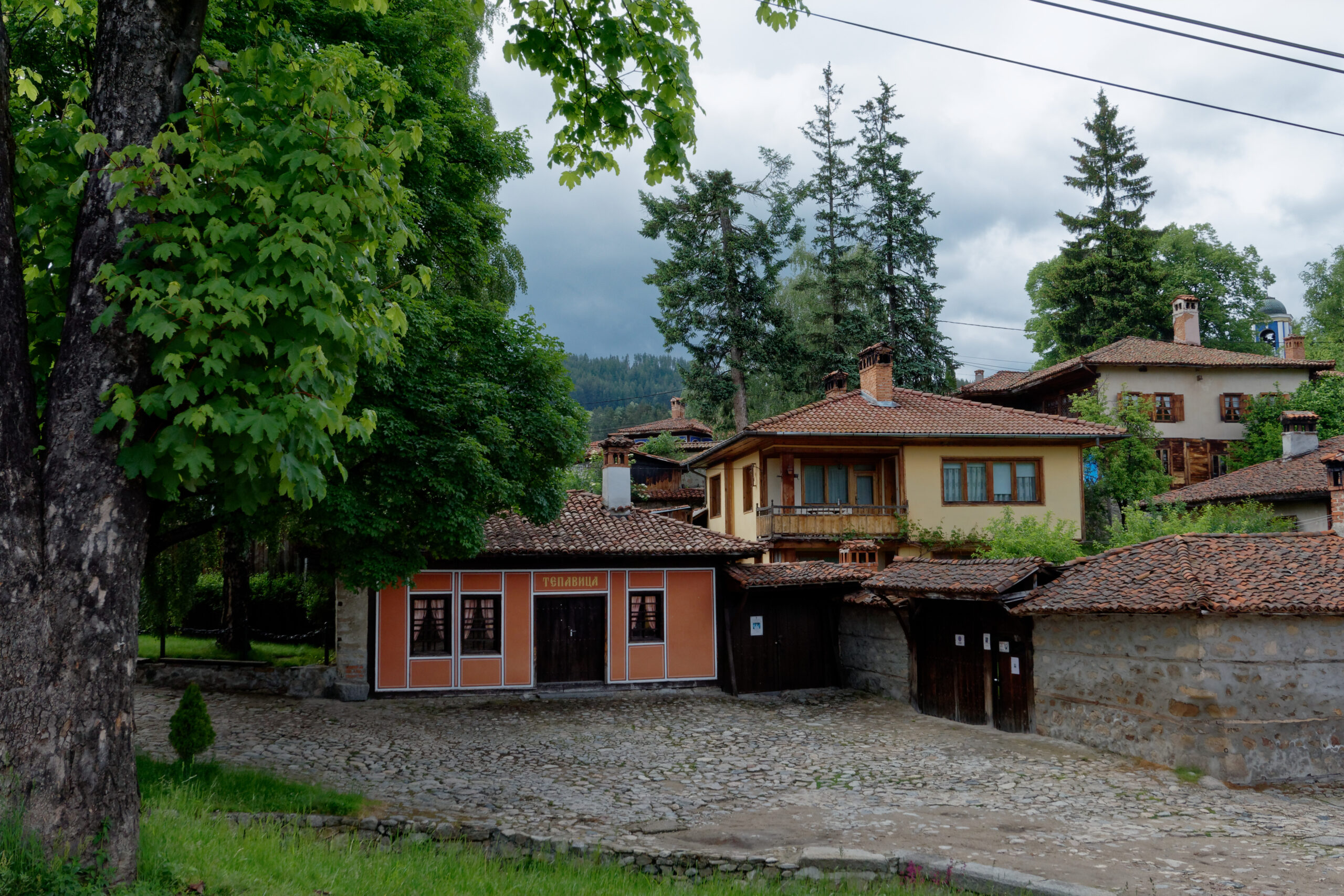
Photo at top: Wan Chai, Hong Kong